





Developing Workplace Competencies: How to Adapt to the Digital Revolution
Automation has redefined employability. Discover the importance of developing workplace competencies and how behavioral skills drive professional success.

Internal Development: Why Are You Still Hiring External Talent When You Already Have It In-House?
While you’re searching for talent outside your organization, someone inside your company may already have the potential to fill that role. We’ll explain why you might not be seeing it—and how to change that.

The Missing Ingredient in Your Upskilling Strategy
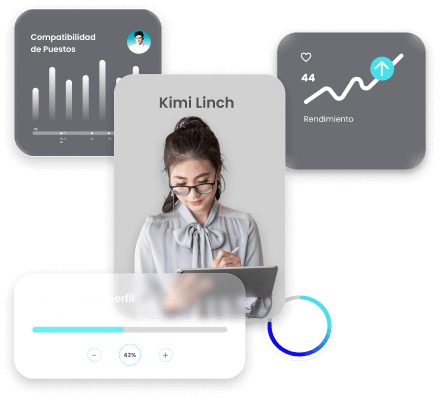
How many upskilling programs end with high completion rates and low real impact? According to HRO Today, only 7% of organizations have made significant progress in strategic upskilling programs that integrate soft, technical, and digital skills. The diagnosis is clear: SHL reveals that 60% of employees don’t have a personalized development plan, and when forced to participate in generic programs, engagement is low and real progress is minimal. Something isn’t working. Is the answer in the program content? Or in the mindset each person brings to the learning experience? The Real Bottleneck What’s behind those numbers? According to PwC, fear of failure and the perception that one’s own skills will become irrelevant are two of the main barriers to active learning — and neither is solved by a better LMS. They’re solved by a mindset shift. One that’s built by understanding how each person thinks, what they fear, and what they need before they sit down to learn. From “I have to learn” to “I want to grow” The mindset shift in upskilling isn’t a preliminary step to the process: it is the process. And it has three dimensions that L&D leaders need to work on simultaneously. Psychological safety around failure: Learning means not knowing. In cultures where mistakes are penalized — even implicitly — people avoid exposing themselves. Creating contexts where getting things wrong is part of the journey isn’t philosophy: it’s a prerequisite for any development program. erceived relevance: People don’t resist learning; they resist learning something that doesn’t connect with their reality, their goals, or their professional identity. When upskilling is presented as an organizational obligation rather than a personal opportunity, commitment becomes superficial. Self-awareness as a starting point: Knowing how you learn best is just as important as knowing what you’re going to learn. Understanding one’s own behavioral profile — risk tolerance, orientation toward norms, relational style — allows each person to find their own path to development, rather than adapting to a generic format. The L&D Leader’s Role in This Shift If mindset is the knot, L&D leaders are the ones who need to untangle it before adding any new thread. That means making concrete decisions: Map beliefs before launching programs: A conversation or initial diagnostic can reveal resistance that would otherwise sabotage the process from within. Design personalized experiences, not just scalable content: Personalization isn’t a luxury — it’s what makes learning relevant to this person, at this point in their career. Involve direct managers: They have the greatest influence over the team’s learning climate and are the first ones who can turn mistakes into development opportunities. Use behavioral data: Behavioral profiles reveal information that performance reviews don’t capture — how each person learns, what level of uncertainty they tolerate, how they respond to failure. That data doesn’t replace the upskilling program; it calibrates it from the start. Mindset is the Infrastructure The most sophisticated upskilling fails when it tries to change what people know without considering how they see themselves as learners. Technology, content, and platforms are powerful tools — but they operate on ground that must first be prepared. Tools such as the PDA Assessment enable L&D teams to understand each employee’s behavioral profile: how they approach challenges, what motivates them, and what holds them back. This information makes it possible to design smarter upskilling programs from the outset. At the end of an upskilling program — how many employees leave with more capabilities, and how many leave with just more credited hours?